Becoming a Data-Savvy Analyst: The Next Step in Testing Maturityhttps://testingsaas.nl/wp-content/uploads/2026/03/data-insights_2.png592874CordnyCordnyhttps://secure.gravatar.com/avatar/8c932d954241a60f327d0e5e28caa7c3d207404784b19d4725d01cc2776c5667?s=96&d=mm&r=g
Modern software teams produce enormous amounts of data. Logs, metrics, traces, test results, performance dashboards, and customer usage signals are generated every second.
Yet in many teams, that data is barely used.
Tests are executed. Dashboards exist. Monitoring tools run. But few people translate that data into actionable insights about quality.
This is where the Data-Savvy Analyst emerges.
In the TestingSaaS Skill Maturity Framework, becoming data-savvy means moving beyond intuition and execution toward evidence-based quality decisions.
The Traditional QA Analyst
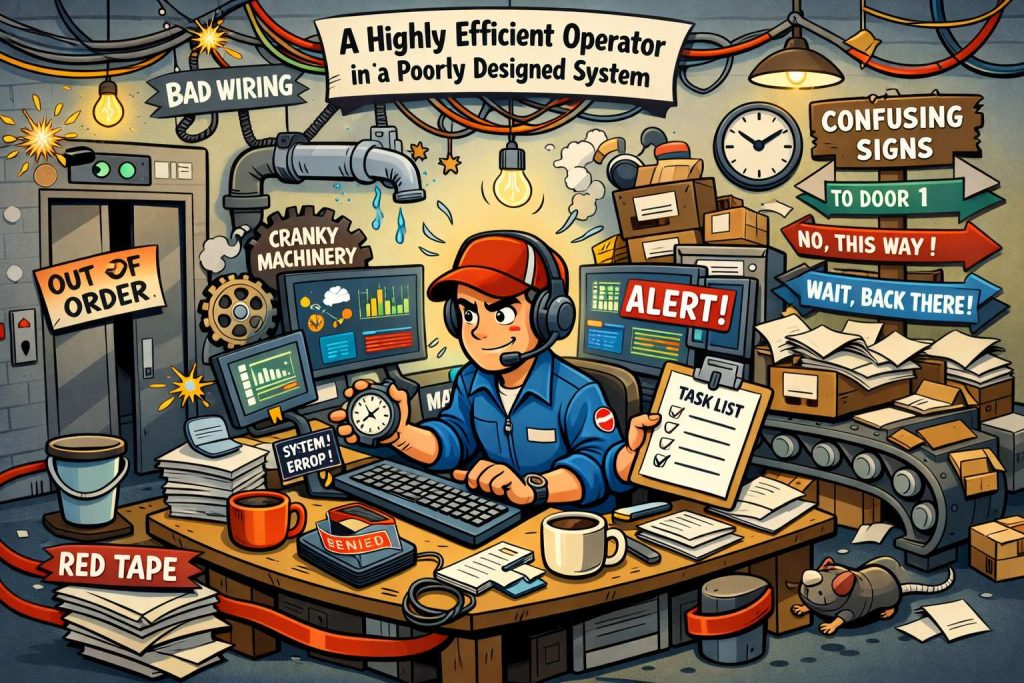
A traditional QA Analyst already thinks more strategically than an Operator.
They:
Perform risk-based testing
Analyze requirements
Identify coverage gaps
Communicate risks to stakeholders
They answer questions like:
What could break?
Where are our risky areas?
What should we test before release?
But their insights often rely on experience and reasoning, not always on measurable system behavior.
TestingSaaS and InnovaTeQ combine forces to shake up Dutch IT educationhttps://testingsaas.nl/wp-content/uploads/2026/03/partnership_logo_handshake.png790340CordnyCordnyhttps://secure.gravatar.com/avatar/8c932d954241a60f327d0e5e28caa7c3d207404784b19d4725d01cc2776c5667?s=96&d=mm&r=g
🔥HOT FROM THE PRESS 🔥
TestingSaaS and InnovaTeQ, now partners in IT Education
The last months I was deeply involved in setting up an affiliate program for the Hungarian IT course provider InnovaTeQ. Both me and Ádám Tóth, founder of InnovaTeQ, have a vision to provide IT courses which are a mix of engineering, business and the use of tooling. In today’s market these subjects are mostly given seperately, not giving you the big picture you need as an IT professional. Especially in the age of AI.
So we started to work together, as content creators and affiliate partner.
Why did I become an affiliate partner with InnovaTeQ?
Because we want to introduce the Dutch market to the unique courses InnovaTeQ provides in IT. From observability and performance testing to agile working.
Why Moving in IT from Test Operator to Test Analyst Is the Hardest Step in the TestingSaaS Skill Maturity Frameworkhttps://testingsaas.nl/wp-content/uploads/2026/03/Overcome-Obstacles.jpg18001202CordnyCordnyhttps://secure.gravatar.com/avatar/8c932d954241a60f327d0e5e28caa7c3d207404784b19d4725d01cc2776c5667?s=96&d=mm&r=g